I declined the wedding and removed myself from every outstanding commitment that legally or financially involved my name. I also compiled the documentation I had accumulated over the years—contracts, transfers, receipts, mortgage payments, rent assistance, education costs and other expenses—so there could be no later confusion about what I had actually funded. When the wedding weekend arrived, several vendors demanded unpaid balances directly from Lydia and my mother. The ceremony still happened, but in a reduced form: fewer decorations, delayed services and last-minute substitutions for things everyone had assumed somebody else would handle. I was three hours away at a quiet lakeside rental, deliberately absent. Afterward, Lydia texted that she would never forgive me for humiliating her, while my mother accused me of breaking the family apart. I did not respond. Financial records can establish who paid what, but they cannot manufacture accountability. I had spent years absorbing every shortfall until the rest of the family had forgotten those shortfalls existed. Once I stopped, the problems did not suddenly appear. They simply became visible.
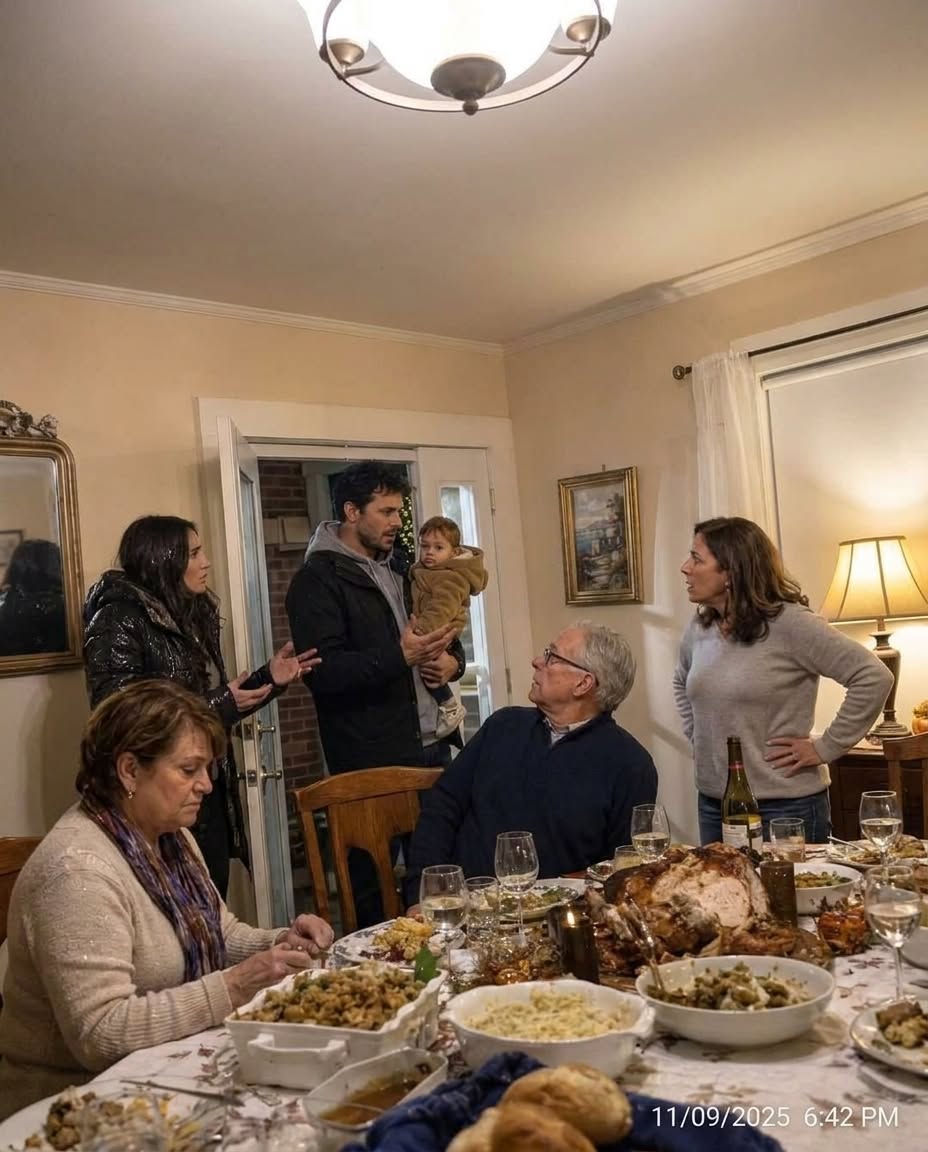
Months later, I learned that my mother had taken a part-time job and begun managing her own household expenses, while Lydia was confronting financial pressure inside her new marriage without me quietly covering the difference. By then, I had started therapy, traveled alone, returned to photography and rebuilt friendships I had neglected while treating every family emergency like a personal summons. A few relatives eventually admitted they had watched the imbalance for years and said nothing because staying neutral had been easier. I no longer needed them to choose sides. I needed a life in which my seat at the table was not conditional on what I could pay for. I do not know whether I will ever sit around a holiday table with my mother and sister again. The door is not permanently locked. But for the first time, I am no longer standing outside it, waiting for somebody else to decide whether I have earned the right to come inside.