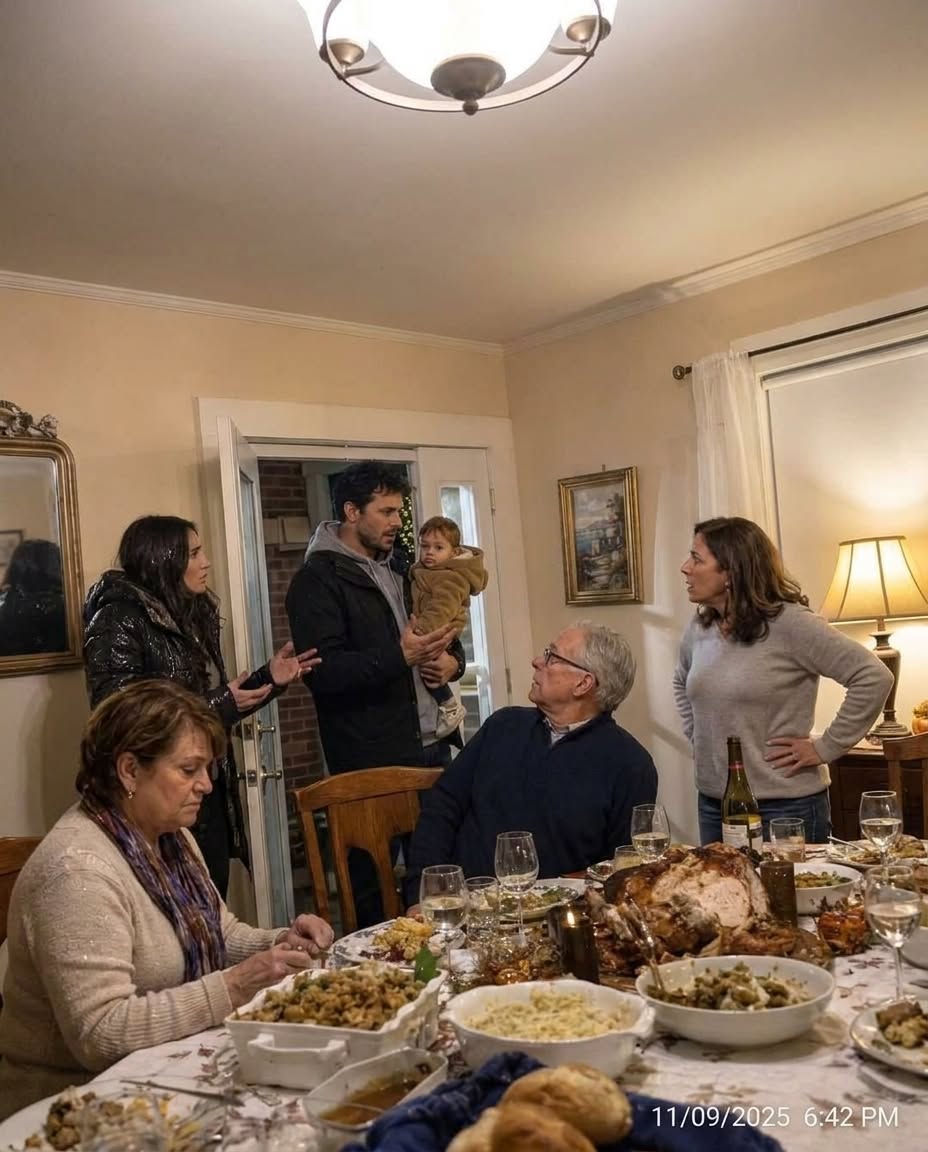
The message from my mother arrived two weeks before Easter, and I knew something was wrong before she finished the first sentence. She told me the brunch would be “more intimate” this year, just immediate family, because my younger sister Lydia’s engagement deserved to be the focus and apparently my presence might create “weird energy.” I sat there listening to her explain why I did not belong at a holiday gathering inside the same house whose mortgage I had been paying for years. Every month, I sent my mother $3,000, covered the utilities, handled emergencies, paid off Lydia’s debts and stepped in whenever somebody needed money quickly enough that nobody else had to feel the consequences. Yet Thanksgiving the year before had already been celebrated without me, my family FaceTiming me during dessert while I ate takeout alone. When my mother finally warned, “Don’t make a scene,” something in me became very quiet. I ended the call, opened my banking dashboard and canceled every automatic payment connected to a family that had somehow decided I was useful enough to fund but inconvenient to include.
For years, being dependable had been the role everyone assigned me. After my father died, I built a stable career in finance while Lydia moved between jobs and my mother struggled with money, so I quietly became the person who solved everything. I paid the mortgage, helped replace Mom’s car, covered student loans Lydia had ignored, and kept utilities in my own name because it seemed easier than watching another crisis unfold. None of that bought affection, nor had I expected it to, but I had assumed it meant I was still part of the family. Instead, exclusions became routine while my financial support remained automatic. By Easter morning, the utilities I had been paying were no longer my responsibility. The calls began almost immediately—first confusion, then anger, then accusations that I had ruined the holiday. My mother called me vindictive. Lydia demanded that I turn everything back on. Her fiancé told me I had embarrassed them in front of his family. I answered none of it. Later, I sent one group email explaining that my support had been given because I believed I was valued as family, and that being repeatedly excluded had clarified the truth. Effective immediately, I would no longer be funding the house or anyone else’s lifestyle.
For several weeks, the family responded with silence rather than reflection. Then Lydia’s wedding invitation arrived. There was no apology and no personal message beyond a handwritten warning asking me not to “ruin this day.” Soon afterward, my aunt Susan called and revealed something stranger: my mother had been telling relatives that I had promised to pay for Lydia’s wedding photographer and had backed out. I had made no such promise. When I contacted the studio, I learned the reservation had indeed been placed using my name as the financial contact, but no payment had been made. I canceled it and notified the vineyard that I was no longer involved in the wedding planning, particularly because several vendor records still listed me as a point of contact. The venue manager then discovered that other balances were also outstanding. Lydia responded publicly, accusing me on social media of deliberately sabotaging her wedding. That accusation finally stripped away whatever uncertainty remained. Even after I stopped paying, they still believed my responsibility was to prevent the consequences of decisions they had made without me.
I declined the wedding and removed myself from every outstanding commitment that legally or financially involved my name. I also compiled the documentation I had accumulated over the years—contracts, transfers, receipts, mortgage payments, rent assistance, education costs and other expenses—so there could be no later confusion about what I had actually funded. When the wedding weekend arrived, several vendors demanded unpaid balances directly from Lydia and my mother. The ceremony still happened, but in a reduced form: fewer decorations, delayed services and last-minute substitutions for things everyone had assumed somebody else would handle. I was three hours away at a quiet lakeside rental, deliberately absent. Afterward, Lydia texted that she would never forgive me for humiliating her, while my mother accused me of breaking the family apart. I did not respond. Financial records can establish who paid what, but they cannot manufacture accountability. I had spent years absorbing every shortfall until the rest of the family had forgotten those shortfalls existed. Once I stopped, the problems did not suddenly appear. They simply became visible.
Months later, I learned that my mother had taken a part-time job and begun managing her own household expenses, while Lydia was confronting financial pressure inside her new marriage without me quietly covering the difference. By then, I had started therapy, traveled alone, returned to photography and rebuilt friendships I had neglected while treating every family emergency like a personal summons. A few relatives eventually admitted they had watched the imbalance for years and said nothing because staying neutral had been easier. I no longer needed them to choose sides. I needed a life in which my seat at the table was not conditional on what I could pay for. I do not know whether I will ever sit around a holiday table with my mother and sister again. The door is not permanently locked. But for the first time, I am no longer standing outside it, waiting for somebody else to decide whether I have earned the right to come inside.