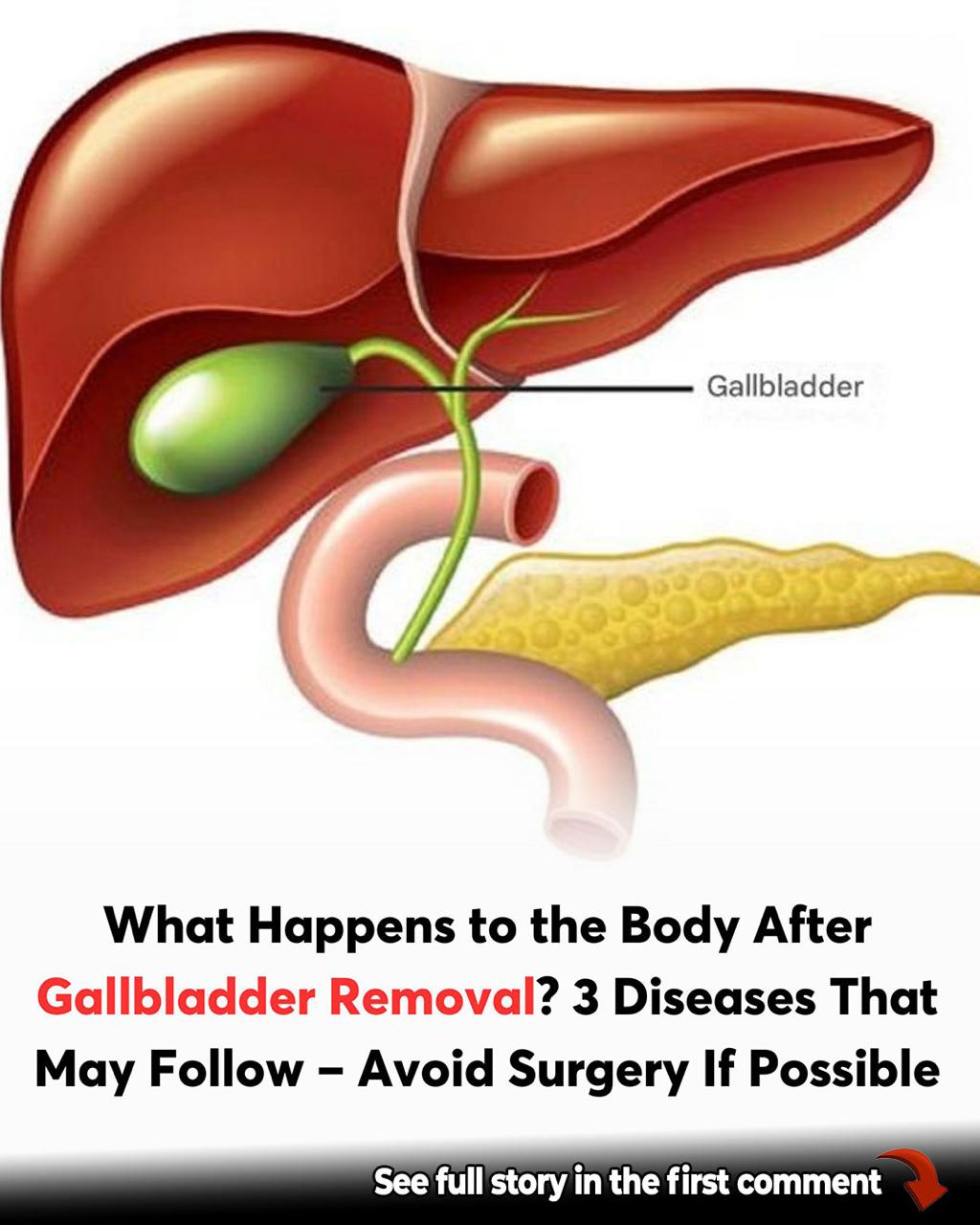
Most people don’t think much about their gallbladder until it becomes a problem.
This small pear-shaped organ sits quietly beneath your liver, releasing bile into your digestive system each time you eat to help break down fats. For millions of people every year, conditions like gallstones, acute cholecystitis, or gallbladder inflammation make surgery necessary — and the most common procedure is a cholecystectomy, the complete removal of the gallbladder. The good news is that your gallbladder is not considered an essential organ, and the vast majority of people go on to live completely normal lives after it is removed. But the weeks and months following surgery can come with unexpected changes that catch many patients off guard, and knowing what to expect — and how to eat — can make the recovery process significantly smoother and more comfortable than most people anticipate going in.
The first thing most patients notice after gallbladder surgery is a change in how their digestive system behaves.
Before surgery, your gallbladder stored bile and released it in controlled amounts whenever you ate a meal. After removal, bile flows continuously and directly from your liver into your small intestine without any regulation or storage. This steady drip of bile can irritate the bowel, and according to research cited by the Mayo Clinic, up to twenty percent of people experience diarrhea in the weeks following surgery as a direct result of this change. Bloating and gas are also extremely common in the first few weeks, because fat digestion becomes less efficient without a gallbladder to coordinate bile release, leading to incomplete breakdown of fatty foods and the gas and discomfort that come with it. Between five and forty percent of patients experience what doctors call Post-Cholecystectomy Syndrome — a collection of symptoms including nausea and upper abdominal pain caused by irregular bile flow that persists after the gallbladder has been removed. A smaller group of patients, roughly five to ten percent, experience bile acid malabsorption, which happens when excess bile enters the colon faster than the intestine can reabsorb it, sometimes resulting in persistent diarrhea and reduced ability to absorb fat-soluble nutrients. In rare cases, stones can even form in the bile duct itself after the gallbladder is gone — a condition called choledocholithiasis — which can cause pain and infection and is most common in people who previously had gallstones. Most of these side effects are temporary and manageable, but they are real, and understanding them helps patients make better choices during recovery rather than being blindsided by symptoms they weren’t warned about.
Changes in appetite and body weight are also something many gallbladder surgery patients experience, though not always in the ways they expect.
Some people find that fatty and greasy foods — foods they ate without any issue before surgery — suddenly cause significant discomfort, including cramping, diarrhea, and nausea. For most patients this sensitivity is a short-term adjustment that resolves within a few weeks or months as the body adapts to the new flow of bile. For others, certain dietary modifications need to become permanent to avoid recurring discomfort. Weight changes after gallbladder surgery are common but are not directly caused by the surgery itself — rather, they result from the significant shifts in eating habits that naturally follow. People who can no longer comfortably eat high-fat foods often lose weight, while those who compensate by increasing their intake of refined carbohydrates or sugary foods sometimes gain it. The surgery changes the digestive environment, and the choices made in that new environment determine much of what happens next. In the immediate days following surgery, most doctors recommend starting with clear liquids — water, broth, gelatin — and avoiding alcohol entirely for at least the first two days. Small, gentle meals of solid food can be gradually introduced as the body adjusts, with the overall goal of keeping meals low in fat and easy to digest during the initial recovery window.
While there is no single official diet prescribed after gallbladder removal, there are clear patterns in what helps and what makes recovery harder.
Because diarrhea is so common in the early weeks, staying hydrated is one of the most important things a recovering patient can do — not just with water but with broths and electrolyte-containing drinks that help replace the minerals and fluids lost through frequent bowel movements. Low-fat foods are strongly associated with fewer digestive side effects after surgery, and the foods most consistently recommended include beans, oatmeal, whole grains, vegetables, fresh fruits, and fat-free dairy products. Gradually introducing foods high in soluble fiber — including oat bran, chickpeas, lentils, carrots, potatoes, spinach, and nuts — supports healthy bowel function and helps the intestine adapt to the changed digestive environment. Prunes and beets, which are high in both fiber and natural compounds that support digestion, are also widely recommended for patients working through post-surgery adjustment. On the other side of the equation, high-fat foods cause the most consistent problems and are best avoided or significantly reduced during recovery and sometimes beyond. This includes lard, butter, bacon fat, hot dogs, salami, processed baked goods, and fatty cuts of pork. Spicy foods — particularly those containing capsaicin, the compound responsible for heat in chili peppers — can irritate the stomach lining and worsen digestive discomfort, and are best avoided in the early recovery period. Very sweet foods, high-fat dairy products, and anything containing caffeine are also known to worsen diarrhea and are worth limiting until the digestive system has settled. One of the most practical tools for navigating post-surgery eating is a simple food journal — writing down what you eat and how you feel afterward helps identify personal trigger foods that may not appear on any general list but consistently cause problems for you specifically. Most patients find that within about a month after surgery, they are able to return to something close to their normal diet, with some adjustments that have by then become second nature. The body is remarkably adaptable, and with the right information and a little patience, most people come through gallbladder surgery and emerge on the other side feeling significantly better than they did before it.