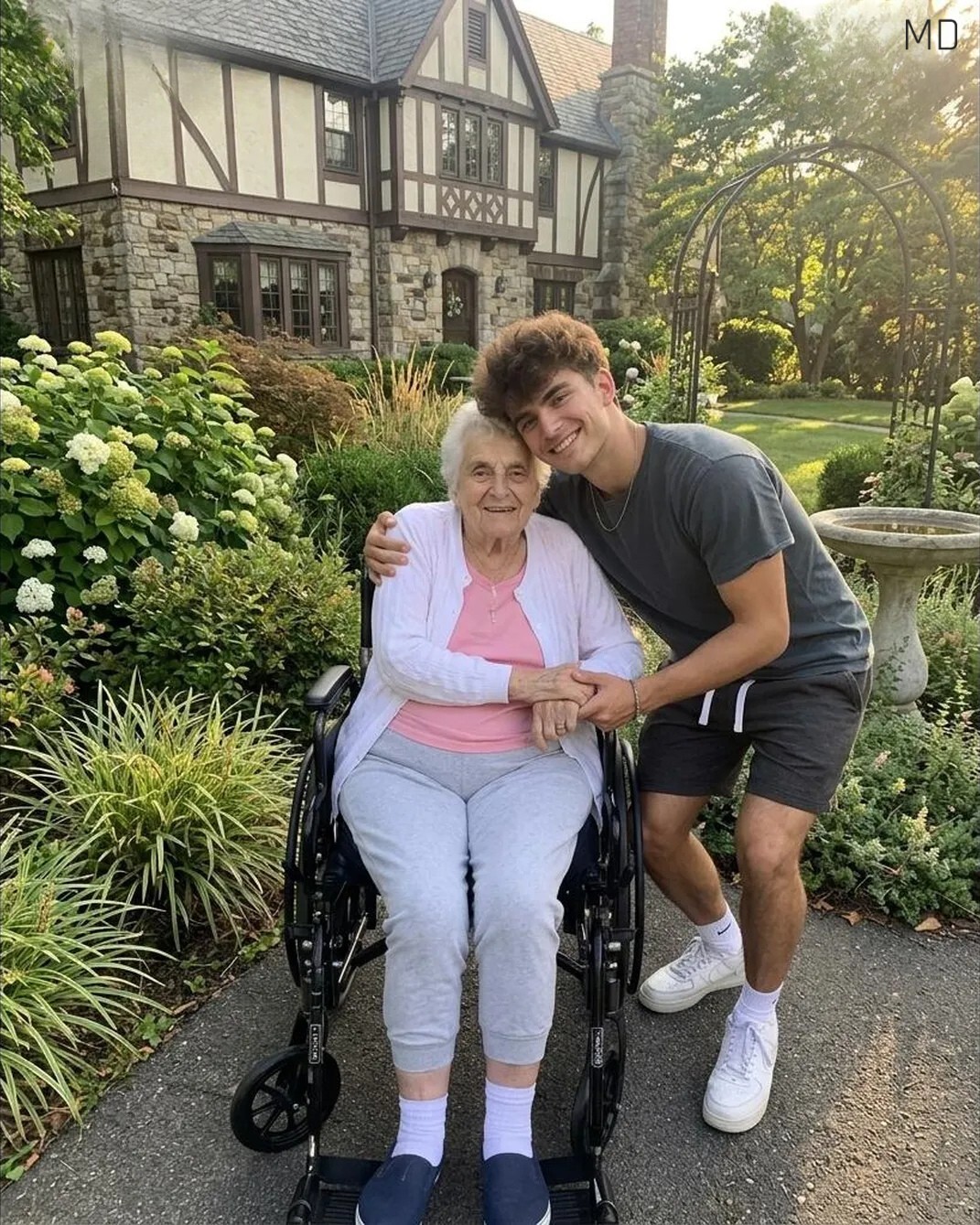
James had spent most of his life learning not to expect much from anyone. After growing up in foster care, he worked hard just to stay afloat, eventually finding a job at a local diner. That was where he met Mrs. Rhode, an outspoken 85-year-old woman who quickly became part of his routine. One day, she asked him to help her with daily tasks and promised that when her time came, she would leave her belongings to him. Needing the extra income and drawn to her strong personality, James agreed. Over time, what began as a practical arrangement grew into a genuine friendship built on trust, shared meals, and countless conversations.
For more than a year, James helped Mrs. Rhode with groceries, appointments, household chores, and companionship. Though she rarely expressed affection directly, she cared about him in her own way. She encouraged him to think beyond survival and challenged him to imagine a better future. Slowly, James began to see her as family, something he had never truly experienced before. When she passed away, he was devastated. At the reading of her will, however, he received an even bigger shock. Her home, savings, and valuables were all left to charities and relatives. His name was never mentioned.
Heartbroken, James returned home believing he had misunderstood everything. He felt embarrassed for trusting her and wondered if their friendship had meant as much to her as it had to him. The next morning, a lawyer arrived at his door carrying a worn metal lunchbox. Inside was a key and a handwritten letter from Mrs. Rhode. As he read her words, tears filled his eyes. She explained that while he had initially agreed to help because of money, he had become like the son she never had. She wanted to leave him something more meaningful than cash or property—something that could shape his future.
The letter revealed that months earlier, Mrs. Rhode had quietly purchased a share of the diner where James worked. She had arranged for Joe, the owner, to mentor him and teach him how to run the business. The key opened the diner, and the legal documents confirmed that James was now a partner. Standing in the diner with the papers in his hands, James finally understood her gift. She had not left him wealth to spend; she had given him an opportunity to build a life. For the first time, he stopped worrying about simply making it through another month and started believing in a future filled with purpose, stability, and hope.