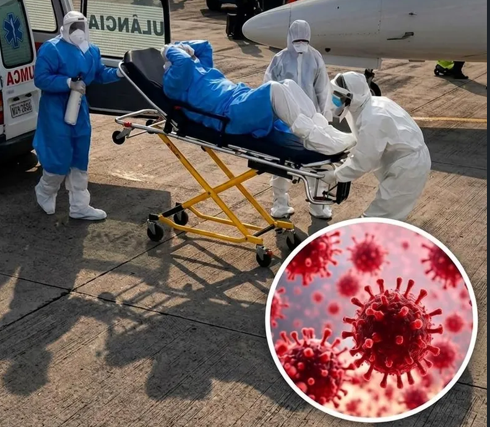
A recent health alert linked to a cruise ship has raised concerns around the world—but global experts are urging calm. After reports of serious illness and several deaths connected to a hantavirus outbreak aboard the MV Hondius, many began wondering if this could be something larger. However, international health authorities, including the World Health Organization, have stepped forward with a clear message: while the situation is being taken seriously, it does not show signs of becoming a global pandemic.
Medical teams and officials from multiple countries—including the Netherlands, Spain, the United Kingdom, and Cabo Verde—are working together to manage the situation and support those affected. Around 150 passengers and crew members remain under observation as precautionary measures continue. According to WHO leadership, including Tedros Adhanom Ghebreyesus, several individuals have already been safely transferred for medical care, and coordination between international agencies has helped maintain control and transparency throughout the response.
Experts emphasize that hantavirus, while serious, is rare and behaves very differently from widely known infectious diseases. It is most commonly associated with exposure to infected rodents or contaminated materials, rather than spreading easily between people. Epidemiologist Maria Van Kerkhove explained that comparisons to past global outbreaks are not accurate, and stressed the importance of relying on verified medical guidance instead of speculation or online rumors.
Researchers are still investigating how the cases on the ship developed, especially since no direct evidence of rodents has been found onboard. While person-to-person transmission is considered extremely uncommon, specialists are carefully reviewing all possibilities to fully understand the situation. For now, health organizations continue to monitor developments closely while reassuring the public that such outbreaks are typically contained with proper care, testing, and preventive steps. Travelers are encouraged to follow basic hygiene practices and stay informed through trusted sources rather than reacting to unverified information.