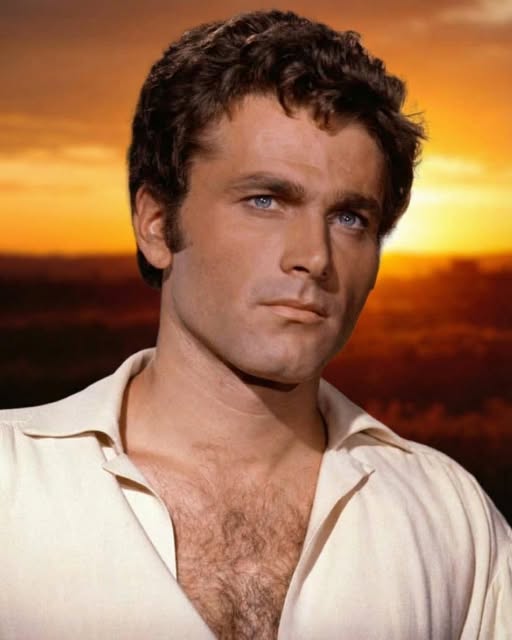
In the shifting landscape of European cinema during the 1960s, few actors managed to leave a mark as quietly powerful as Franco Nero. Born in the early 1940s, he entered the film industry at a moment when audiences were craving something different—stories driven by atmosphere, moral tension, and visual storytelling rather than exaggerated heroics. As Westerns, crime dramas, and historical epics filled theaters, Nero stood out for an entirely different reason. His performances relied on stillness, intensity, and emotional restraint, allowing viewers to feel what his characters carried rather than hear it spelled out in dialogue.
His defining breakthrough came in 1966 with Django, a role that would permanently reshape the Western genre. Unlike the confident, invincible gunslingers audiences were used to, Nero’s character was haunted, wounded, and morally complex. Sparse dialogue and controlled expression gave the film a raw emotional weight that felt revolutionary at the time. The performance resonated far beyond Italy, influencing countless filmmakers and inspiring sequels, homages, and reinterpretations for decades. Even today, Django is cited as a turning point in genre filmmaking, largely because of the tone Nero brought to the screen.
Rather than allowing one iconic role to define him, Nero pursued range and longevity. Over the years, he appeared in more than two hundred film and television projects, moving fluidly between political thrillers, historical dramas, action films, and art-house cinema. At a time when international careers were rare, he worked across Europe and in Hollywood, adapting to different languages, styles, and production cultures. This flexibility kept him relevant as trends changed, proving that consistency and discipline could outlast fleeting popularity.
What ultimately sets Franco Nero apart is a career built on craft rather than spectacle. While many stars of his era faded as tastes evolved, his work endured because of professionalism, adaptability, and respect for storytelling. New generations continue to discover his films through restorations and retrospectives, while filmmakers study his performances for their subtle emotional control. His career is a reminder that true longevity in cinema comes not from excess, but from restraint, commitment, and an unwavering dedication to the art of performance.