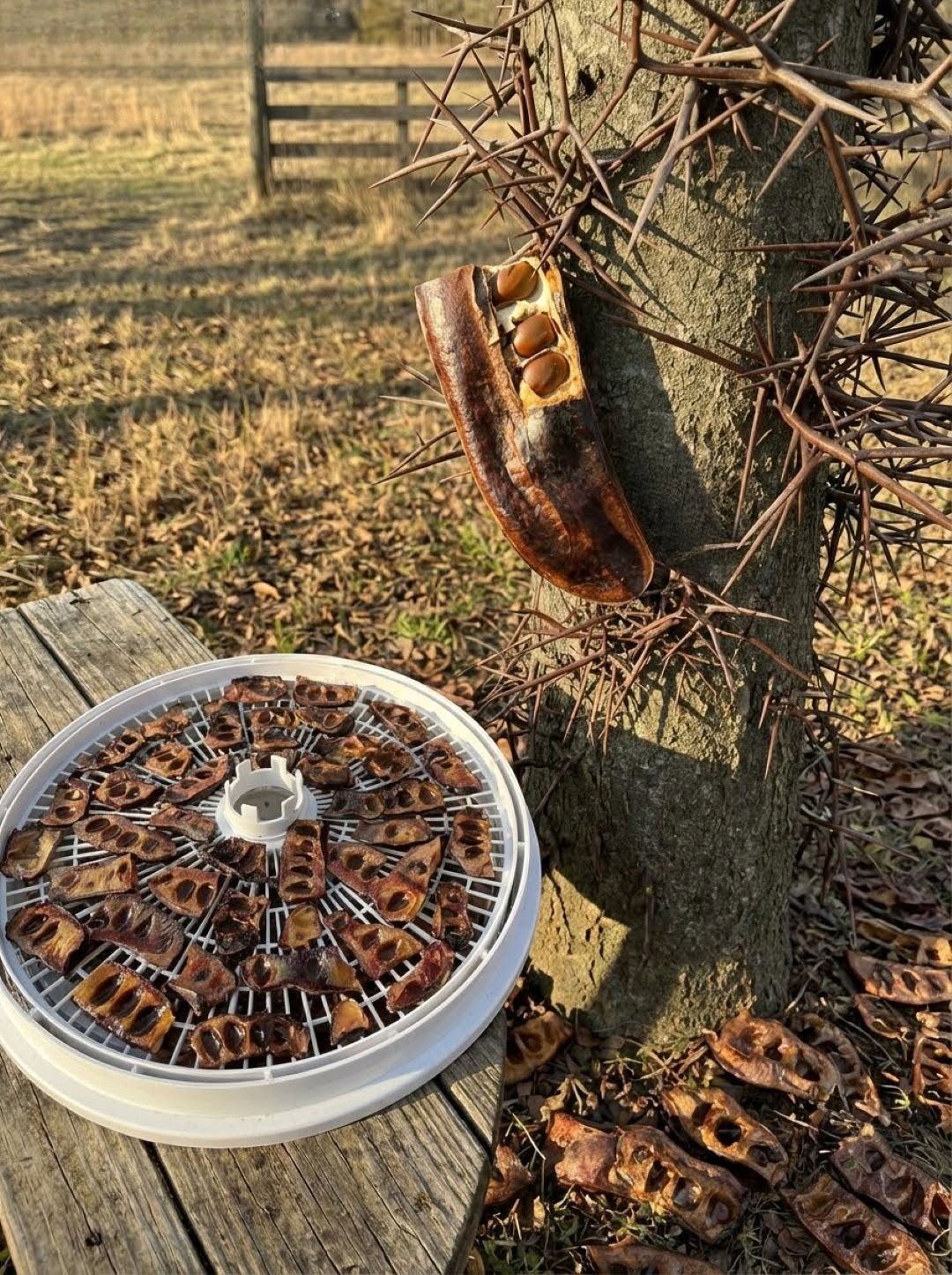
At first glance, it looks like just another shade tree lining roadsides or dotting open fields. But the honey locust, often planted for its graceful canopy and fast growth, carries a history far richer than most people realize. Long before modern conveniences, this humble tree quietly supported daily life, offering food, materials, and practical solutions straight from nature. For generations, those who understood the honey locust knew it wasn’t just something to sit under on a hot day—it was a valuable resource hiding in plain sight.
One of the honey locust’s most distinctive features is its long, twisting seed pods. Inside them is a naturally sweet pulp that gave the tree its name. Indigenous communities and early settlers commonly enjoyed this pulp as a simple treat or turned it into syrups and lightly fermented drinks. Even the seeds had a purpose: they were sometimes roasted and brewed into a warm beverage or ground into meal. These uses show how the tree once provided accessible nourishment at a time when sugar and packaged foods were not readily available.
Beyond its edible qualities, the honey locust was prized for its incredibly durable wood. Strong and resistant to decay, especially in outdoor conditions, the wood was often used for fence posts, wagon parts, tool handles, and other items that needed to last. In everyday households, the tree also served another surprising role. Parts of the pods and bark contain natural compounds that create a mild lather when mixed with water, making them useful for basic cleaning before commercial soaps existed.
The honey locust continues to offer value today, especially in natural and urban landscapes. Its light canopy allows sunlight to reach the ground, supporting grasses and smaller plants beneath it. Wildlife benefit from its seed pods during colder months, and pollinators are drawn to its small flowers in spring. While wild honey locust trees can have large thorns, many modern varieties are bred without them, making the tree safer and more practical for landscaping. Taken together, the honey locust stands as a reminder that even the most familiar trees can hold remarkable, often forgotten benefits—waiting for someone curious enough to notice.